01
Pitching Your Project
Participants will explore and practice live pitching sessions that will help prepare for real-world scenarios: interviews, funding meetings, and pitch opportunities such as the Galway Film Fleadh Market. These sessions will focus on how to communicate a story clearly, passionately, and professionally, with the goal of increasing confidence and clarity in the room. We will also chat about what opportunities there are out there.
02
Chain of Title
A frequently overlooked but critical element. Many writers are unaware of the need for legally securing their IP. We’ll cover how to establish a clear chain of title, including contracts and rights
documentation, and why it matters to potential funders and collaborators.
03
Pitching Materials
We’ll examine professional examples of pitch decks and lookbooks – from both TV and feature film projects – to understand what makes an effective visual pitch. This section explores the producer and creator’s shared role in developing materials that sell the project and establish tone, vision, and viability.
04
What Does a Producer Actually Do?
We’ll start by unpacking the core responsibilities of a producer, clarifying the distinctions between producer, line producer, and production manager. This is essential for creatives looking to collaborate more effectively – and for aspiring producers to fully understand their remit.
05
Contracting
BORING!! But, absolutely vital. We’ll review a standard commissioning agreement and identify key clauses and red flags. Participants will receive a suite of basic
contract templates – for actors, directors, locations, and writers – to use as starting points for their own work.
06
Crewing Up
We’ll discuss the core team needed for shorts and low-budget films, along with role-specific needs such as intimacy coordinators, medics, or stunt personnel depending on the project.
07
Budgeting
Using an example micro-budget template based on Screen Ireland rates, we’ll break down the key elements of budgeting for a short film. Topics will include: PRSI contributions, holiday pay, contingency, and other essential fringe costs. A feature film budget will also be briefly introduced
for context.
08
Insurance
What kinds of insurance are necessary for production? We’ll outline types of cover (public liability, production, E&O), and walk through the information producers need to provide to insurance brokers.
9
Scheduling & AD Documents
Scheduling can be intimidating so it’s important that everyone can understand a call sheet or shooting schedule. We’ll demystify key documents from the Assistant Director’s department without getting bogged down in the weeds.
10
Special Considerations
What are the key considerations that affect how a project moves from page into production? This section will highlight practicalities that impact budget, scheduling, and creative execution.
11
Post-Production Schedule
We’ll break down a typical post-production timeline for a short film — including editing, sound, grading, and delivery. Understanding these timelines helps manage expectations and keep the process on track.
12
Budgeting for Post
We’ll look at what producers need to account for in post – from editor fees to music licensing,
sound mixing, and final delivery formats.
13
Producer–Director Relationship
Post-production is where creative and logistical tensions often arise. We’ll explore how to manage a positive working relationship during this phase, and how the producer can support the director while ensuring the project stays on time and on budget.
14
Setting Up a Production Company
We’ll finish with a practical session on how to set up a film or TV production company, including required documentation, naming, and basic business structures.
This final segment is also an opportunity for participants to get creative – imagining their own production companies and drafting simple business plans. It’s a chance to shift perspective: from freelance creatives to future producers and company directors who own and control their IP.
15
What is the Industry looking for?
Exploring a market report and what themes are prominent, what commissioners are looking for, and what is trending content wise in Ireland and the wider film community.

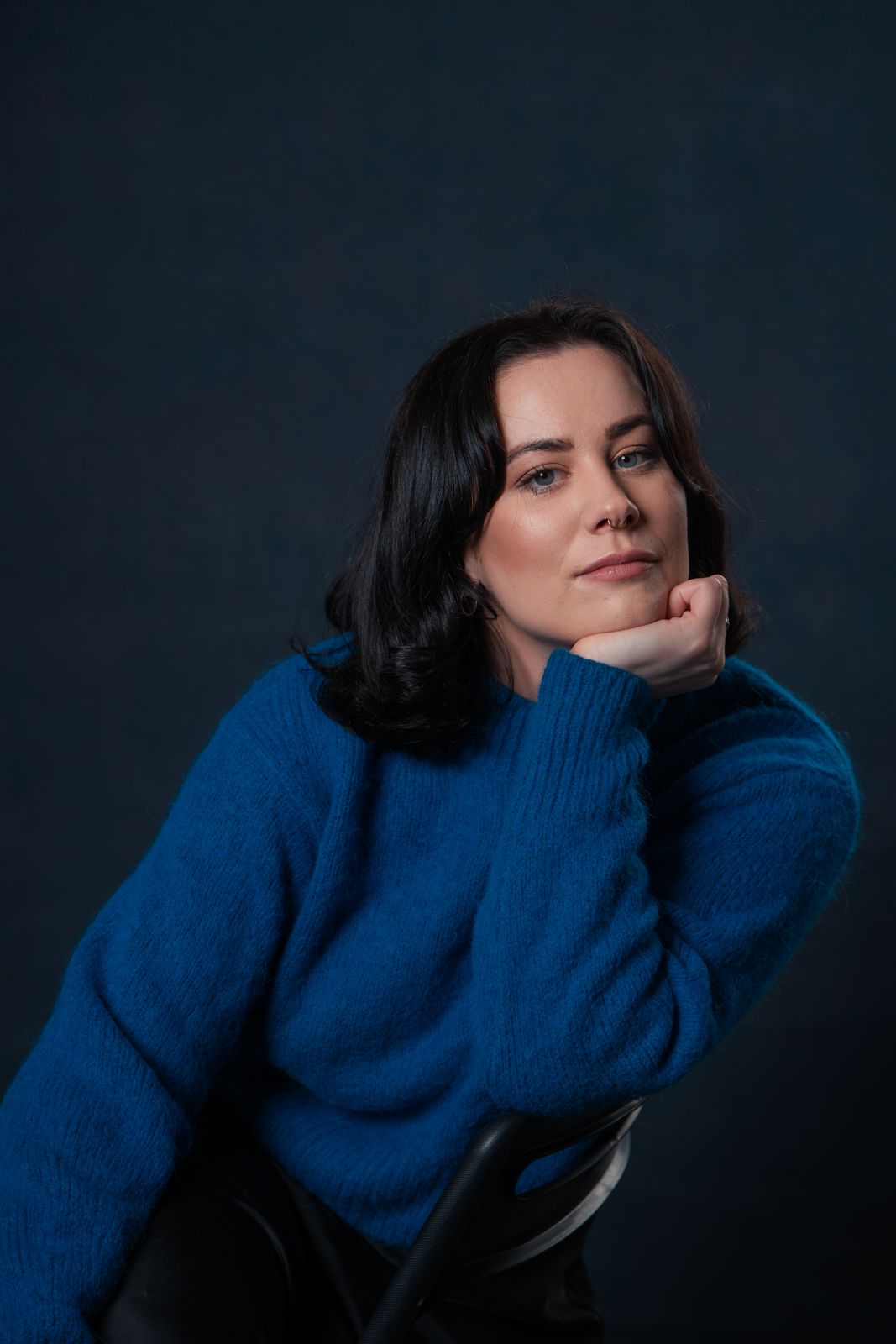 Aoibhín Murphy is a queer creative producer from Kilkenny with a strong background in both scripted and commercial production. Aoibhín was previously a Development Assistant and Production Executive at Newgrange Pictures where she served as in-house Production Coordinator on Hardacres (2024) and produced Never Kill a Femboy on the First Date through the Virgin Media Discovers scheme. The film premiered on Virgin Media TV in 2024 and was recently nominated for an Iris Prize.